Our Commitment To Regenerative Excellence


We believe everyone should have access to delicious, better food

Dairy Is Delicious, But It’s Devastating Our Planet

Dairy is taking an environmental toll on our planet.

27.4%

of U.S. methane comes from livestock digestionEPA, U.S. Greenhouse Gas Inventory 1990–2022 (published 2024)

12%

of global emissions come from livestockUN FAO, Pathways Towards Lower Emissions, 2023

Animal-based butter is made from milk — about 21.8 pounds, or 2.5 gallons, for every pound of butter (USDA). But in today’s climate, we need to think differently.

2.3Billion
Pounds

of butter eaten in the U.S. in 2024Computed: 6.8 lb per person (USDA, 2024) × ~340 million people

50.4Billion
Pounds

of milk used to make all that butterComputed: 2.31 billion lb × 21.8 lb of milk per lb of butter (USDA conversion factor)

Chemicals In Grain

In the dairy production chain, three main synthetic chemicals are prominently used: fertilizers, pesticides and drugs. Fertilizers, sourced mainly from petrochemicals, contribute to environmental issues like water pollution and climate change, and are mainly used in feed production.

Organic Center

Biodiversity Loss

The dairy industry can contribute to biodiversity loss by clearing land to grow feed for livestock, using pesticides, nutrient pollution, introducing new species, overgrazing, attracting rodents to the land used for feed production, and producing greenhouse gas emissions.

Dairy Truth

Methane Emissions

Methane is 12% of U.S. greenhouse gas emissions, and livestock digestion alone produces 27% of U.S. methane (EPA, 2024). Cows and dairy farms produce methane through enteric fermentation and manure storage: (1) Burping — cattle release methane as they digest; and (2) Manure storage — bacteria feed on manure in storage ponds, releasing methane.

UN Food & Agriculture Organization Environmental Protection Agency

Soil Erosion

Turning forests into pasture or feed-crop land, overgrazing, and soil compaction from cattle’s hooves can lead to extreme loss of topsoil and organic matter that could take decades or centuries to replace.

World Wildlife Fund

Fecal Waste

Dairy cows produce large volumes of manure. Stored manure is the second-largest source of greenhouse gas emissions on a dairy farm, releasing both methane (CH4) and nitrous oxide (N2O). Inadequate manure and fertilizer management can harm local water sources and eco-sensitive areas like prairies, wetlands and forests.

LPELC Science Direct World Wildlife Fund

Our Goal Is Ambitious & Attainable


Mitigate 2.0 million metric tons of CO2e in 2030

Target — computed from the 2030 production plan: 505.9M lb × 8.8 lb saved per lb (Quantis for Upfield, 2020) ÷ 2,204.6

The average American ate 6.8 pounds of butter in 2024 (USDA)

That’s about 82 pounds of greenhouse gas emissions per person, every year.Computed: 6.8 lb × 12.1 lb CO2-eq per lb

12.1
lb CO2-eq

emitted for every pound of animal-based butter.Life-cycle average · Quantis for Upfield, 2020

We aim to shift the U.S. to Better BTTR by 2035, mitigating about 2.0 million MT CO2e in 2030 and over 13 million MT CDE by 2035.

The Time To Act Is Now

According to the United Nations, our window is closing rapidly. By choosing Better BTTR, you’re joining the movement to a target of over 13 million metric tons of CO2-eq mitigated by 2035. Help create a better world starting with Better BTTR. Let’s make a difference together, one delicious bite at a time.

Choose Our Next Flavor
A boat on a river through a coconut grove

Why Coconuts

Grown On Trees That Clean The Air


3.3 kgCO2-eq per kg of plant spread, vs 12.1 for animal-based butter
Quantis for Upfield, 2020
Up to 80Years a coconut palm bears fruit
UN FAO
  • Our sourcing standard: single-origin coconuts from organic farms, traceable from seed to stomach.
  • We’re building toward production and delivery powered by renewable energy.
  • Every pound will support farming communities on Southeast Asian islands facing the impacts of climate change.

Explore Products

Higher Standards. Fewer Compromises.

Taste The Future With Us


We’re bringing Better BTTR off the shelf and onto the table, with experiences that let you taste, see and learn what a better food system looks like.

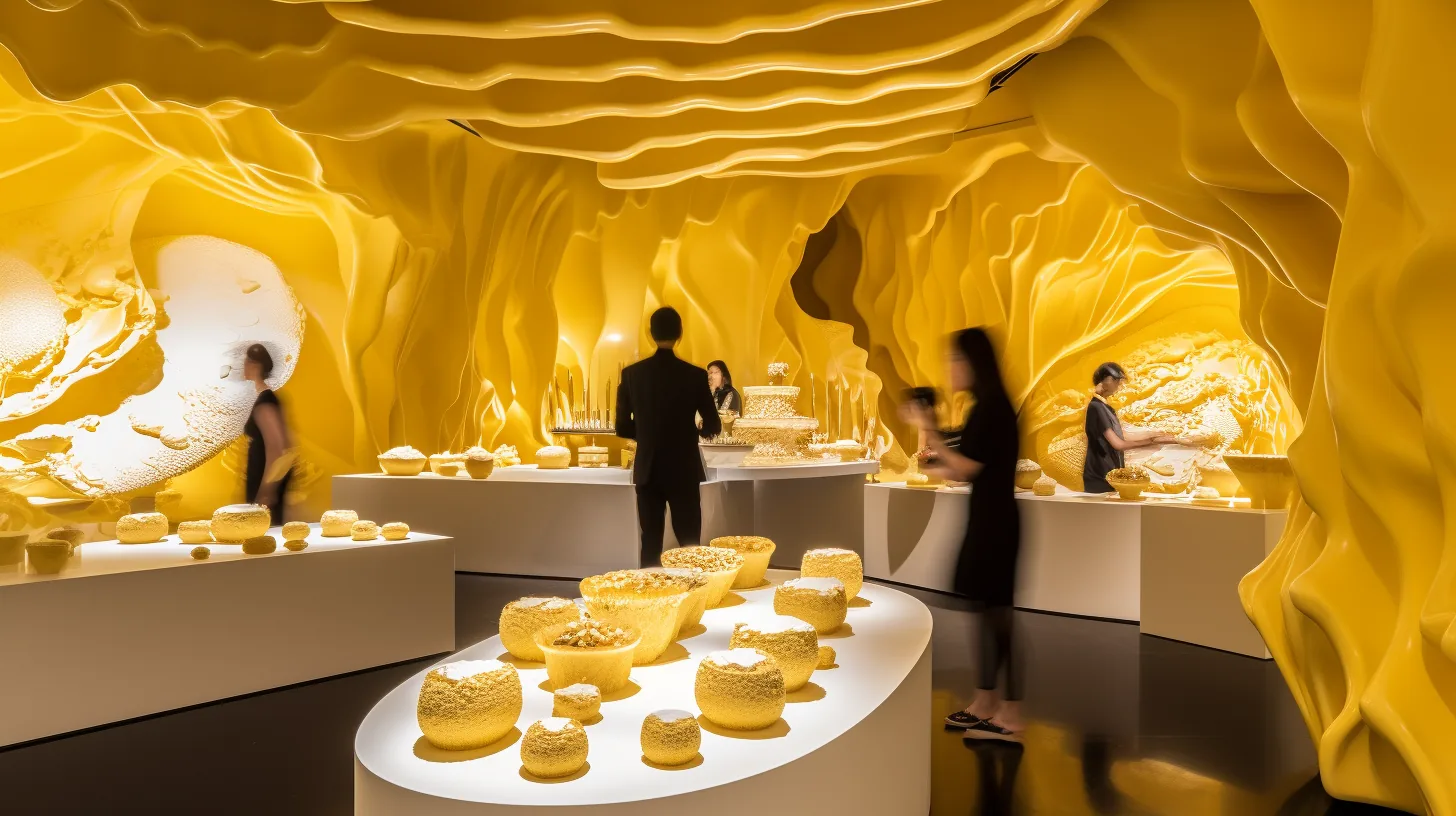
Guests exploring a golden, butter-sculpted tasting room

Better BTTR: The Immersive Exhibit

Celebrating A BTTR Future

We believe the best way for people to experience our product is through immersive experiences. By allowing our customers to taste, experience and learn about the devastating dairy industry, we’ll pave the way to a better food future.

A warm, wood-lined all-day dining room

L’BRRE: BTTR For Breakfast, Lunch & Dinner

An All-Day Dining Concept For Better BTTR

L’BRRE is our casual, all-day dining concept serving Better BTTR at every meal. L’BRRE also serves as our flavored BTTR production facility, starting in New York City with continued expansion to major cities throughout the U.S.

Discover Better BTTR

From Our Founder


“We are at the forefront of innovation, using cutting-edge technology to create healthier, ethically produced food that delights the senses. Our commitment to the art of regenerative food preparation, coupled with the power of modern techniques, allows us to craft culinary masterpieces that are simply delicious and scalable.”
Signature of Levi Austin Levi Austin
Founder
Better BTTR
Our Story